Young Indie Filmmakers at Berlin

Blog
Backstory-Kiyohara-Yamanaka-Berlin

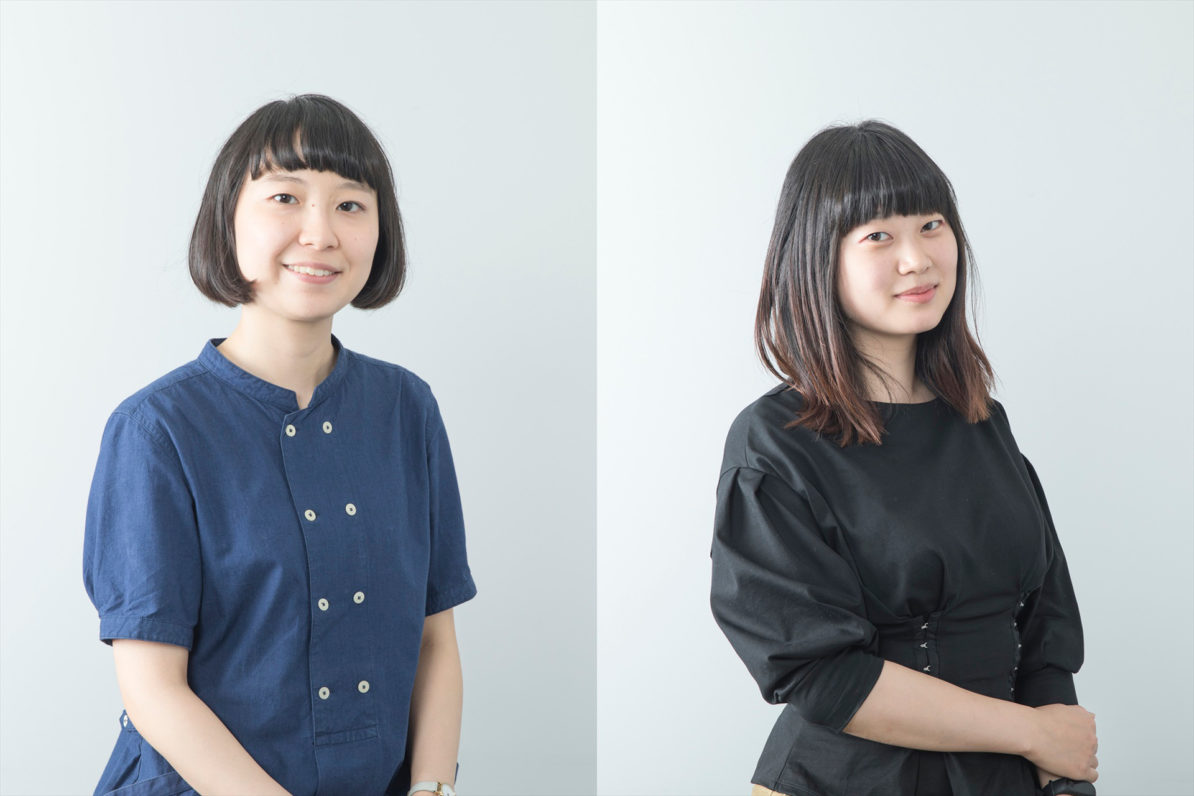
Among new movies from Yukisada Isao and Kurosawa Kiyoshi as well as Pink Film retrospectives by masters such as Soda Kazuhiro and Suo Masaki, two independent filmmakers in their twenties made their international debut at this year’s Berlin International Film Festival’s Forum Section.

Kiyohara Yui’s (pictured left) Our House, a Tokyo University of the Arts Graduate School production, is a bold narrative attempting to tell two separate stories in tandem, but occurring in the same place and somehow perceived by the characters involved. It is a visual interpretation of the compositional structure found in Bach’s fugues from which Kiyohara drew inspiration.

Yamanaka Yoko’s (pictured right) Amiko is a breezy, 66 minute profile of a young teen embodying a non-conformist, “anti-bourgeois” attitude permeating the movie itself, engendering comparisons to the rebellious spirit of the “Hachiri” movement of 1980s Japanese cinema. Forum Section head, Christoph Terhechte, has even said of Yamanaka: “[…] Yoko Yamanaka is the youngest director in the entire festival. I really hope that she makes more films because she clearly has a huge imagination and possesses a type of cheekiness and nonconformity that has become very rare.” (source)

Both these young women are just starting their careers. With luck–but mostly support from both the indie filmmaking community and audiences around the world–they’ll continue to make as interesting, bold, and idiosyncratic movies as their debuts.

Photo courtesy Pia Film Festival
Duncan Jones’ *Mute* Might Have Been Set in Tokyo

Blog
Backstory-Mute-in-Tokyo

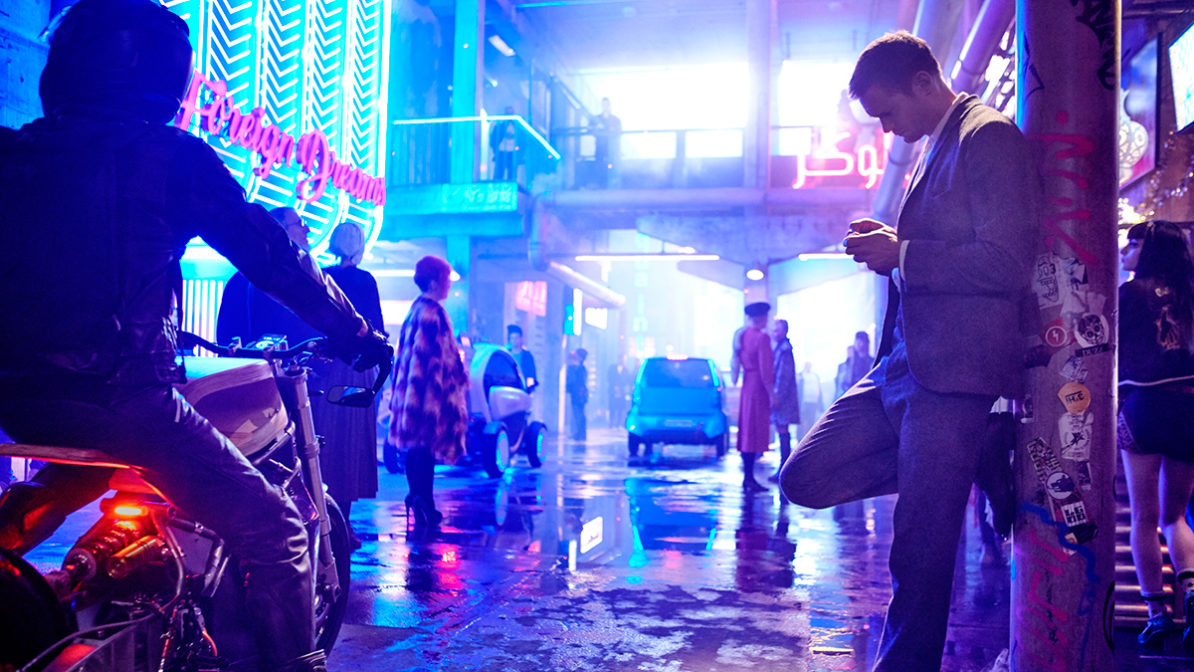
Yeah, I was thinking of moving it to Tokyo and using Ken Watanabe as Leo, and then keeping my Trapper John and Hawkeye Pierce characters; Americans who are living in a culture they don’t like and they want to get out…I love Sam (Rockwell) to death, but I had Ray Stevenson in my head for a while. Then, obviously, Ken Watanabe. Big guys, because he was going to be silent and I wanted him to have a presence that people could interpret in multiple ways. To one person he might seem dumb. To someone else, intimidating. To someone else, thoughtful. But having him be a big guy was essential.


However…

Actually, Stuart’s first task with us was trying to find out how to film in Japan. Bless his heart, that was the first thing he did on the whole project, and he came back and was like, “Yeah… no.”

From this interview on Deadline.

Not that a futuristic Berlin isn’t the perfect setting for Jones’ fantastic visualization of his unique set up, but the difficulties foreign productions face in attempting to shoot in Tokyo are well recorded and notorious; despite the strong desire from foreign filmmakers. Even James Mangold had to steal the scenes of Hugh Jackman and Okamoto Tao running through the streets of Akihabara for Wolverine like an indie moviemaker.

Rutger Hauer: Big vs. Little

Blog
Backstory-Rutger-Hauer-Quote

The big movies now are such an industry where the money has to come back as soon as possible. With a little movie you have a little more room to move. The eye of the director and the point of view of the filmmaker has suffered [in big films] in the past decades. I look for hard balls. And I don’t see much balls in most films today. When I started out, the films would go into the theaters and they would play as long as they would play.


From this interview at the Hollywood Reporter.

(photo: Victoria Will/Invision/AP)

Furuta Wataru Interview Now Available

Blog
Backstory-Furuta-Wataru

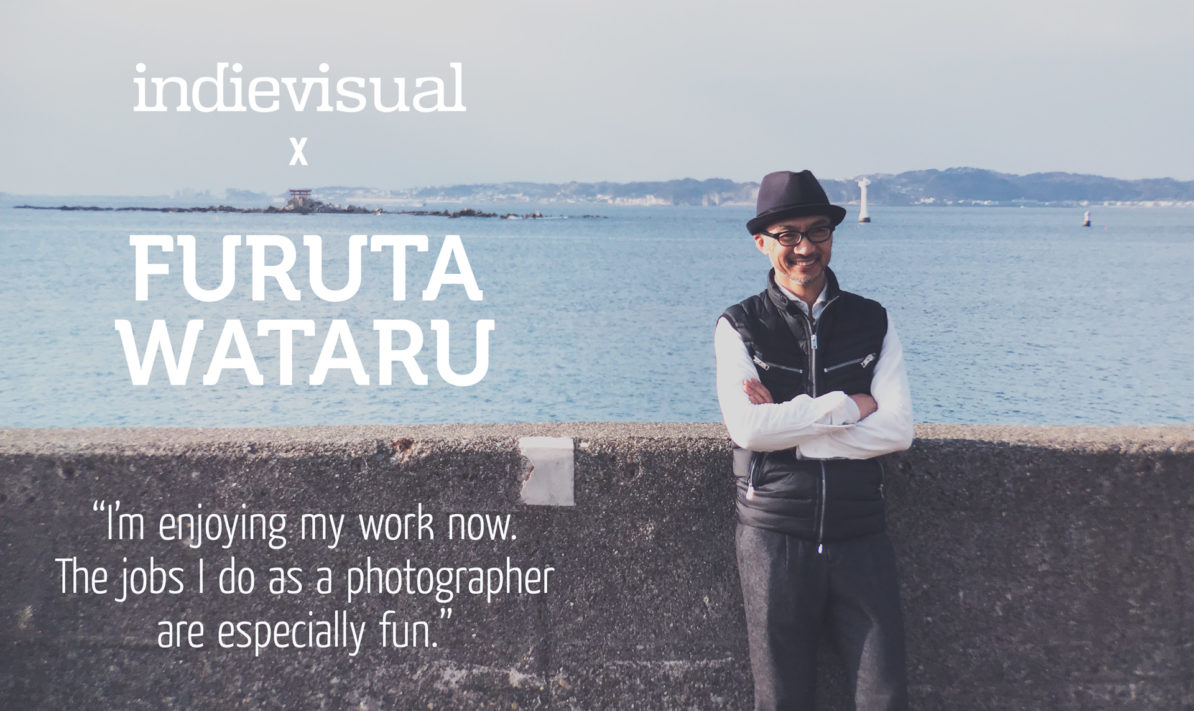
The first interview published in 2018 is with Furuta Wataru, an award-winning producer and director who I have known for many years. I first encountered his work when I was the international films programmer for the San Diego Asian Film Festival. I reached out to him on one of my visits to Japan and over time we have become friends. His career trajectory is fascinating. Though I saw a burgeoning filmmaker racking up multiple short movie achievements to his name, he shifted rather naturally to being a working photographer/art director when cable and satellite programming–through which he was most active–trailed off in reaction to changing viewership as the internet first began encroaching upon broadcast media. However, had Furuta garnered his short movie success in tandem with the rise of internet video instead of before, I’m personally convinced his path would have continued in motion pictures. Though very happy with the work he is now doing (he is slowly gaining attention as a photographer), Furuta has become one of those “lost” filmmakers who for one reason or another became overlooked or quietly went on to do other things. It was the desire to bring attention to filmmakers like Furuta which motivated me to begin Indievisual, therefore I am especially pleased to shine a light back on this successful producer and director who was just slightly ahead of the times.

Click here to read my interview with Furuta Wataru.

Enlightened Era of Tech

Blog
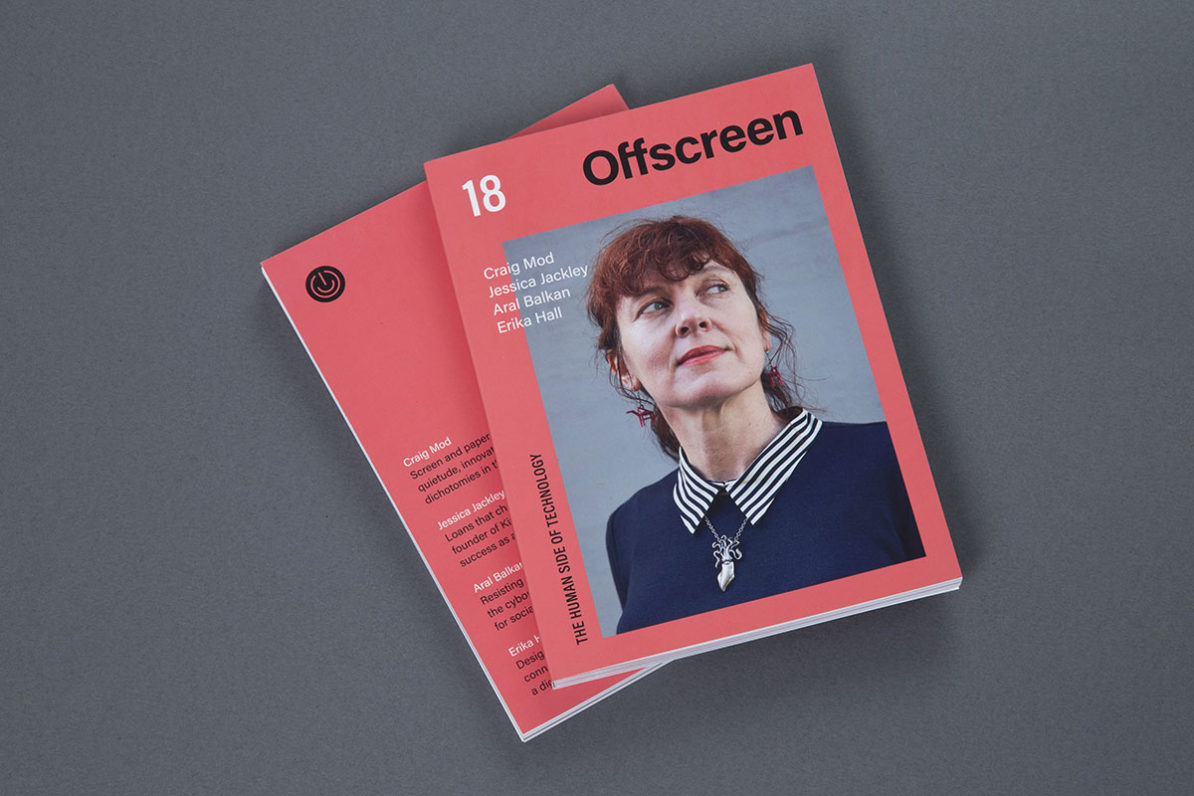
Offscreen-Blog-Issue18-Editors-Note

“In a more enlightened era of tech, we will move beyond a superficial understanding of ‘well designed’, which today seems overly concerned with aesthetics. Instead, good design will focus on creating user experiences that are inclusive and empathetic, on writing code that is open and energy-efficient, and on running a business model that doesn’t rely on infinite growth to survive.”
Kai Brach (Offscreen magazine)


Publisher Kai Brach writes an astute editor’s note for Issue 18 (seen above). He has shared it on the Offscreen Blog and I think it’s worth a read. Though dealing particularly with dilemmas facing the tech industry, all of us who use new media platforms should take in to consideration our responsibility for the content which ultimately are processed, filtered, and delivered to users across the globe. As the quote above points out, “growth” or in the parlance of internet journalism, ‘click-bait’, needs to take a backseat to integrity.

Please, do click here and read Kai’s thoughts.